
Australia has a Nuclear Reactor - We wish we didn't
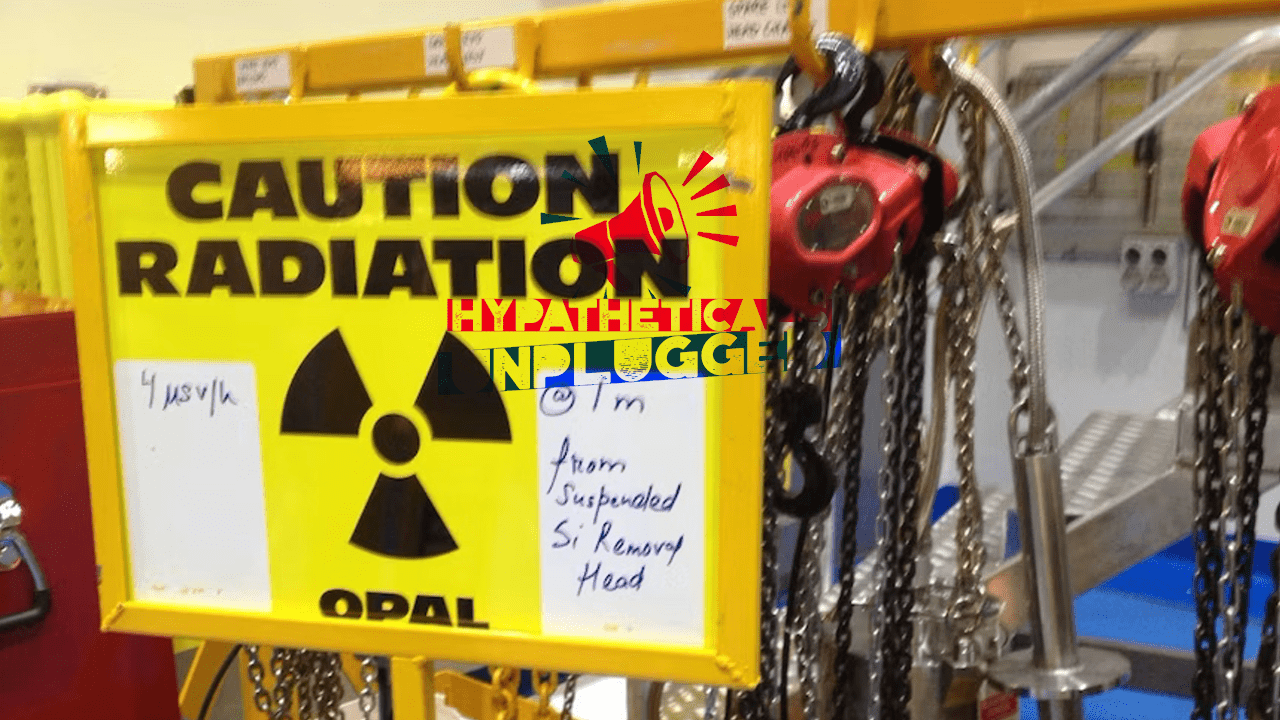
Lucas Heights - Australia’s Nuclear Reactor no one is talking about.
**Sydney's Nuclear Conundrum: A Tale of Outdated Technology and Risks Unmanaged**
In the heart of Sydney's southern shire, amidst the tranquil scenery that belies its controversial existence, stands the Lucas Heights nuclear facility. This relic of atomic ambition, established in the 1950s, serves as Australia's sole beacon for nuclear research and medical isotope production. However, recent revelations have cast a long shadow over its legacy, stirring a tempest of concern regarding nuclear safety and the facility's place in modern Australia.
A disconcerting 2018 report has thrust the Lucas Heights nuclear medical facility into the limelight, uncovering a "make do and mend" approach that fails to align with contemporary nuclear safety standards. The facility, a cornerstone of the Australian Nuclear Science and Technology Organisation (ANSTO) in the Sutherland Shire, is showing its age, with infrastructure dating back to the 1950s that now falls short of the mark.
August 2017 marked a turning point when an incident exposed a technician to radioactive contamination, elevating his cancer risk significantly. This event, alongside a series of near misses, underscores a grave reality: Lucas Heights is dancing on the edge of nuclear safety, risking not just its operational integrity but the trust of the public and international community.
With replacement plans stymied by federal budget constraints, ANSTO's leadership has voiced a commitment to safety improvements, yet the path forward remains mired in financial and logistical challenges. The projected cost of a new facility hovers around $210 million, a stark reminder of the investment required to rectify years of oversight.
**Commentary:**
Diving into the heart of the issue, Lucas Heights embodies the quintessential nuclear paradox. On one hand, it's an invaluable resource for medical isotopes, aiding thousands of Australians in their fight against cancer and other diseases. On the other, it stands as a testament to the risks inherent in nuclear technology - risks that are magnified by outdated infrastructure and a reactive, rather than proactive, approach to safety.
The incidents at Lucas Heights are not mere footnotes in Australia's nuclear narrative; they are blaring alarms. The "Level 3 event" classification of the 2017 incident is a stark reminder that even in an age of advanced technology, human error and mechanical failure can converge to produce outcomes that are both dangerous and destabilizing.
Critics argue that the persistence of such a facility within the confines of Sydney is a gamble with stakes too high. The facility's proximity to populous areas, coupled with the specter of potential terrorist threats, layers additional dimensions of risk onto an already fraught situation. And while arguments for the medical necessity of the facility's outputs hold water, they cannot fully dilute the concerns surrounding safety, environmental impact, and the long-term management of nuclear waste.
The narrative unfolding at Lucas Heights serves as a microcosm of the global debate on nuclear energy and technology. Proponents tout the benefits of nuclear medicine and the potential for clean energy, while detractors point to unresolved issues of safety, waste management, and the existential threat of nuclear accidents or attacks. What becomes clear is that the path forward requires a balanced approach, one that weighs the undeniable benefits of nuclear technology against the equally undeniable risks and responsibilities it entails.
As Australia grapples with these challenges, the Lucas Heights saga offers a poignant lesson: the legacy of nuclear technology is as much about the futures we forge as it is about the histories we inherit. In navigating this complex terrain, transparency, innovation, and a steadfast commitment to safety must be the guiding stars. For in the end, the true measure of progress is not just in the capabilities we develop, but in the risks we mitigate and the harms we prevent.
Summary:
- The Lucas Heights nuclear facility, located in Sydney's southern shire and established in the 1950s, is Australia's primary center for nuclear research and medical isotope production.
- A 2018 report highlighted the facility's outdated approach, failing to meet modern nuclear safety standards, with infrastructure dating back to the 1950s.
- In August 2017, a significant incident occurred where a technician was exposed to radioactive contamination, increasing his cancer risk, marking a serious safety concern.
- This incident, along with other near misses, highlights the facility's precarious situation regarding nuclear safety and its impact on public and international trust.
- Plans to replace the facility are hindered by federal budget constraints, with a new facility estimated to cost around $210 million, pointing to financial and logistical challenges in updating the infrastructure.
- Lucas Heights is crucial for producing medical isotopes essential in treating cancer and other diseases, yet its outdated infrastructure and safety approach raise significant risks.
- The 2017 incident was classified as a "Level 3 event," emphasizing the potential danger of human error and mechanical failure in such a facility.
- The facility's location near populous areas and the potential for terrorist threats add further risks, raising concerns about safety, environmental impact, and nuclear waste management.
- The situation at Lucas Heights reflects broader debates on nuclear energy and technology, balancing the benefits of nuclear medicine and clean energy against safety and waste management challenges.
- The Lucas Heights case underscores the importance of a balanced, safety-first approach to nuclear technology, emphasizing the need for transparency, innovation, and commitment to safety in managing nuclear facilities.
Three people treated at Sydney's Lucas Heights nuclear facility after chemical spill
https://www.abc.net.au/news/2019-03-01/three-treated-after-safety-breach-at-sydney-nuclear-facility/10860708
Lucas Heights nuclear medical facility fails modern safety standards
https://www.theleader.com.au/story/5716557/lucas-heights-nuclear-medical-facility-needs-210m-revamp-report/